Notice
See when a regular face disappears from socials, football or the group chat, and check in without making a scene.
Mental Health and Welfare Ambassadors
Ambassadors are ACS students briefed by the welfare officer. They make support feel ordinary. They are not counsellors, and they are never on call overnight.
See when a regular face disappears from socials, football or the group chat, and check in without making a scene.
Give someone a proper conversation. You do not have to fix their life in the queue for jollof.
Know the traffic light, the University wellbeing email, and SU Advice. Carry the hub, not a diagnosis.
Help run plain-language mental health campaigns, especially in exam season and Black History Month.
Campaigns use student language and real signposts: wellbeingdisability@swansea.ac.uk, SU Advice, and the crisis lines on Get Help Now. Private stories are never posted for engagement.
Read the signpostsAmbassadors do not diagnose, prescribe, investigate harassment, hold money, or promise to be available at 2am. If a conversation turns red on the traffic light, they stop being the helper and help the student reach 999, Samaritans, or University support. They tell the welfare officer.
Places are appointed. Names go on Meet the Team only after a student has said yes. We will not invent people to make the page look full.
Swansea University African Caribbean Society
(ACS Swansea)
 Algeria
 Angola
 Benin
Benin Botswana
 Burkina Faso
 Burundi
 Cabo Verde
 Cameroon
 Central African Republic
 Chad
Chad Comoros
 Congo
Congo DR Congo
 Côte d'Ivoire
 Djibouti
 Egypt
Egypt Equatorial Guinea
 Eritrea
 Eswatini
 Ethiopia
 Gabon
Gabon Gambia
 Ghana
Ghana Guinea
 Guinea-Bissau
 Kenya
Kenya Lesotho
 Liberia
 Libya
Libya Madagascar
 Malawi
 Mali
Mali Mauritania
 Mauritius
 Morocco
 Mozambique
 Namibia
 Niger
Niger Nigeria
 Rwanda
 São Tomé and Príncipe
 Senegal
 Seychelles
 Sierra Leone
 Somalia
 South Africa
 South Sudan
 Sudan
Sudan Tanzania
 Togo
Togo Tunisia
 Uganda
 Zambia
 Zimbabwe
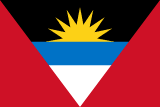 Antigua and Barbuda
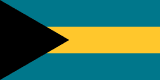 Bahamas
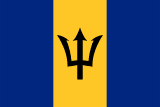 Barbados
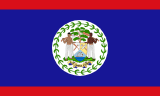 Belize
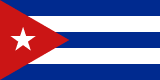 Cuba
Cuba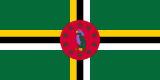 Dominica
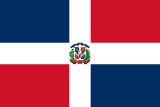 Dominican Republic
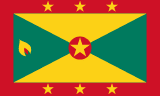 Grenada
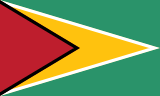 Guyana
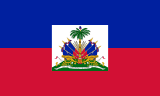 Haiti
Haiti Jamaica
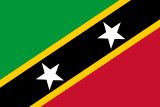 Saint Kitts and Nevis
 Saint Lucia
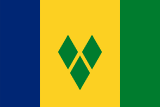 Saint Vincent and the Grenadines
 Suriname
 Trinidad and Tobago
ACS committee only
You have this link so the committee can look through the Welfare Hub and send recommendations before it is published.
Please do not share it with the public.
The address it is hosted on is for testing only. It is not the finished public site.